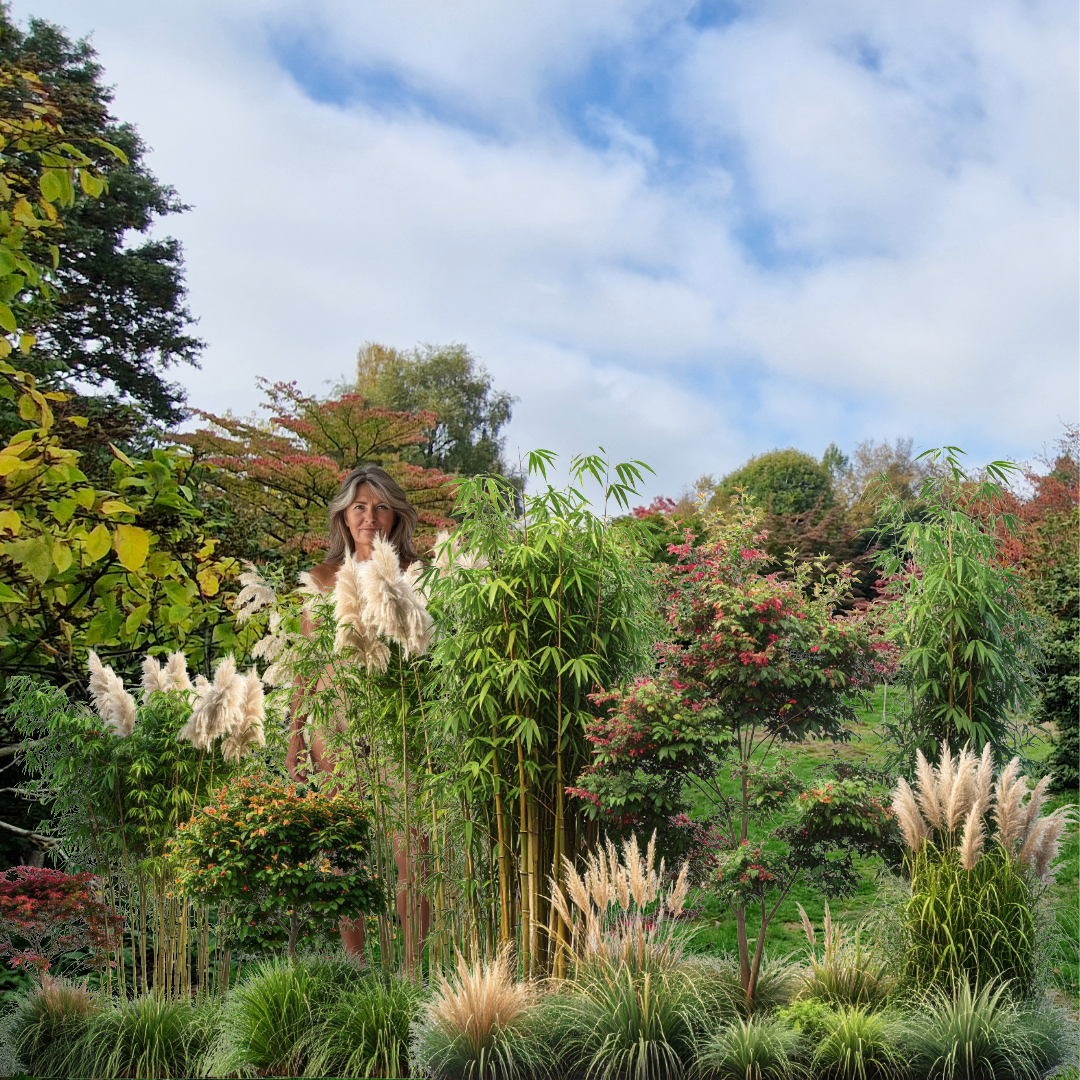
Real biophilic design – for humans, not spreadsheets.
An aletheic environment is a space intentionally designed for unconcealment – stripping away the artificial to create an authentic, unfiltered connection between people and the natural world.
My aim is to create environments that recognise and honour the human body as a natural component of its habitat – not merely an observer – to foster happiness, health, and authenticity.
The blog: Thoughts about biophilic design, wellbeing, and our place in nature
An aletheic environment is a space intentionally designed for unconcealment – stripping away the artificial to create an authentic, unfiltered connection between people and the natural world.
Aletheia is a Greek term for truth or unconcealedness. It is pronounced al-er-thee-ah
In philosophy, Aletheia is one of the primary Greek words for truth. However, its meaning is distinct from a simple fact or statement. It refers to a state of being revealed or unconcealed. Truth, in this sense, is not something you make or construct, but rather something that exists and is brought into the open or un-hidden.
An aletheic space is intentionally unconcealed, authentic, and revealing.
It is a place that strips away the artificial and the inessential to reveal a deeper truth – both about the natural world and about ourselves.
This could mean a space that is designed to help its users reconnect with their natural place in nature. It could also be a place for or being in, or taking part in activities, that can reveal more about our own nature.
Unfiltered connection
Aletheic spaces are where the barriers between the occupant and the natural environment are minimised or eliminated. They are spaces where all of our senses are stimulated to uncover the whole truth about where we are and what we are doing.
For an activity, it could simply be a natural environment where a true connection between the person and their surroundings can be unconcealed. It might be something as simple as taking exercise in nature rather than a gym, meditation in a garden or the practice of forest bathing.
For a building, this could involve incorporating elements of biophilic design. This is where a sense of nature is brought into the built environment by incorporating views of nature, plants and living walls that make the boundaries between inside and outside disappear, soundscapes and scents, or materials in their raw, honest form like exposed wood or stone.
Honesty in design
An aletheic space would be authentic. It would not rely on superficial decoration to appear natural, but would be created with materials that are true to their function and with a design that connects people with nature and and environment.
Most importantly, an aletheic space would be a place where the occupant themselves feels free to be “uncovered” and authentic. It would be a space with an atmosphere of safety, trust, and liberation. A space to become unconcealed and where one’s natural, naked, state is celebrated, allowing for the deepest possible connection to the environment. A space where you stop being an observer of nature and become a part of it.
FAQs
What is biophilia?
A good definition of biophilia is the innate need for humanity to connect with, and be a part of, nature. From an evolutionary point of view, the sense of ease and comfort we get when we are connected with nature can be explained by being in an environment where our senses tell us that we are safe.
What is biophilic design?
Biophilic design is a design principle that is inspired by nature and incorporates natural and naturalistic elements into buildings and the wider built environment with the intention of improving wellbeing. An easy-to-understand (and almost definitive)guide to the principles of biophilic design can be found here.
What is naturism?
Naturism is a way of life in harmony with nature characterised by the practice of communal nudity with the intention of encouraging self-respect, respect for others and for the environment. (INF-FNI definition).
What do you mean by ‘complete immersion in nature?’
Removing the barrier of clothing to our skin offers an unparalleled level of total sensory immersion. It intensifies the connections with nature and our environment. The feeling of air, sunlight, bare earth and the weather directly on the skin promotes a deeper sense of tranquility, mindful awareness, and interconnectedness. This enhances mental restoration beyond the baseline benefits of nature exposure alone.
What is the difference between a biophilic space and an aletheic environment?
Aletheic spaces are where the barriers between the occupant and the natural environment are minimised or eliminated. They are spaces where all of our senses are stimulated to uncover the whole truth about where we are and what we are doing. They can be natural, but where access to nature is limited, they can be designed.
When designed and part of the built environment, they are places for more than just for doing stuff in (or for getting a credit on a checklist), but are places where restoration, sensory coherence and mental clarity can be given every opportunity to occur. It would be a space with an atmosphere of safety, trust and liberation.
Most importantly, an aletheic space would be a place where the occupant themselves feels free to be uncovered and authentic.
The post discusses how ageing affects our perception of our bodies and surroundings. It highlights a study on care home design, revealing older residents prefer bold decor to counter declining sensory acuity. Additionally, the author reflects on personal sensory experiences and suggests creating enriched, natural spaces for older individuals to enhance their well-being.
Note: This post explores the psychological and wellbeing benefits of naturism within biophilic environments. It contains illustrations depicting nudity and the human form.
In a recent post on the truth about bodies, I wrote about how, as our bodies continue to support us as we age, we can appreciate them more honestly and truthfully. We accept that although we might not perceive ourselves to be as attractive as we were in our youth, we can wear the signs of ageing as a visible record of the remarkable abilities of a collection of ever changing cells, tissues and organs to keep us alive.
Many changes that come with older age happen relatively quickly, or at least noticeably. We become more susceptible to the effects of injury, recovery may take longer than when we were younger, aches and pains feel more severe and our movements become slower.
Gradual decline – we rarely notice it
However, the decline in our sensory acuity is much more gradual, and often isn’t noticeable until the decline reaches a point when you realise that world seems different.
About 20 years ago, I was involved in some research that included a re-design of the interior of a care home for older adults. The aim of the project was to see whether giving the residents the final say in the design of the communal areas, more people would use them, instead of retreating into their own private spaces.
The project, which was part of a wider academic study into identity realization carried out by the University of Exeter, was very simple. The residents were asked to choose a selection of plants, planters and art that would decorate the communal lounge. There would be no changes to wall colours, carpets or furnishings – these were typical of many care homes and featured a lot of chintz, muted tones and floral patterns.
The choice of plants, planters and art was pretty diverse, ranging from popular houseplants through to more exotic and ‘architectural’ specimens. The planters came in a wide range of colours and shapes and the art included botanical prints, nature scenes, local landmarks and a selection of more abstract subjects.
The final selections came as a surprise to the researchers. We had all expected the residents to choose items that would fit in with the existing decor and ‘play it safe’.
They didn’t.
Care home dining room with abstract art, bold plants and colourful planters
The plants had bold, architectural foliage and were planted in bright, colourful planters in contemporary geometric shapes. The artwork was heavily biased towards abstract patterns. Even the botanical subjects were composed in a bold style.
What was going on?
Simply put, the residents wanted something that stood out against the background. Colour vision and acuity diminish with age, and the conventional care home style – which looked fine to the young interior designers, even if a little cliched – was just a sea of beige swirls and dull shapes. Bright colours and bold shapes made the space more interesting and, also, their own.
After thinking about this for a while, it all made sense. As a youngster, I used to visit my grandparents and was always a little shocked by how they had set up the pictures on their televisions – the colour balance always looked terrible to my young eyes, but for them, this was just a way of overcoming the natural ageing of the cornea.
It’s not just vision that changes as we age. Our senses of smell, taste and hearing change as well.
I am 60 years old and I have noticed that things have changed. Sometimes, it is as a result of my young adult children hearing things that I can’t or detecting smells at much lower concentrations. The differences aren’t huge – yet – but I am sure that the gaps in our sensory acuity will widen over time.
A deliberate effort to notice
I also make a conscious effort to notice the sensory stimuli that I experience and get a great deal of pleasure in that. I like to spend time in enriched environments and, as a naturist, my whole body experiences sensory stimuli. I am able to interpret what is going on effortlessly as those sensory stimuli enable me to build a coherent mental picture of the space that I am in.
Interestingly, the largest demographic group amongst naturists is the over-50s. Is this because we have more time on our hands, or grew up in a more permissive society? Some of us have reached a stage in our lives where it matters less what other people might think of us than it used to. After all, we become a lot more aware of our mortality as we age, so we might want to pack in as many new experiences as we can before it becomes too difficult.
Or is it because nudity just helps us to feel more alive and connected to our environment?
The Aletheic overlay
An aletheic environment is one where we can shed artifice and the social armour that society deems to be normal and proper. They are spaces where we can discover more about the truth of our own experiences and our surroundings.
We can’t always be in nature. Sometimes, the weather is against us (at the time of writing, we are in yet another heatwave in Southern England). Sometimes, we have to travel to get to a natural space. In those cases, we have to use our domestic spaces.
So how can we create an aletheic space that is especially suitable for older people?
Biophilic design is one crucial element – the connections with nature and the coherent sensory environment facilitate an unencumbered experience when we can really notice how we feel.
Biophilic design is, however, often quite ‘gentle’ as a design aesthetic, so the sensory elements need to be amplified. So, as well as considering the classic patterns of biophilic design – discussed many times on this web site – think about:
Choosing a colour palette that includes greater contrast
Use bolder patterns, stronger outlines and shapes that don’t blend in to the background too much
Plants could be more ‘architectural’ in style. Plants with large leaves and well-defined shapes will stand out against its backdrop
Textures – especially on the floor – could be more varied and interesting
Scents and sounds may need to be strengthened and made slightly less subtle
All of these are possible whilst maintaining a naturalistic, biophilic feel – they just need the designer to think beyond their preconceptions about ageing.
My previous posts on Radical comfort, meditation and even home working give some useful design tips on creating an aletheic environment in the home. I have also written about how to make the garden an aletheic space and how to use water as a sensory experience as well as for hygiene. All of these articles will provide some inspiration. For older people, it may be a case of amplifying the sensory elements, or maybe just experiencing environments differently.
Need some advice on creating an aletheic environment?
In this post, I reflect on my frequent visits to nearby woodlands, particularly from spring to summer. I have made the effort to intentionally noticethe way the woodland changes with the seasons, as well as how I experience it. The unseasonal heatwave intensifies the sensory experience of the forest. The practice of forest bathing enhances my appreciation of nature, highlighting humanity’s connection to the environment.
Note: This post explores the psychological and wellbeing benefits of nudity and naturism within natural environments. It contains illustrations depicting nudity and the human form.
There are some nice woodlands close to where I live. I visit them several times a week – especially in the spring and summer – for walks and to engage in forest bathing. I have been to this patch of woodland several times since the middle of April this year and have made the effort to notice the transition from spring to summer.
There was a profusion of bluebells on the woodland floor in the spring…
… then the gradual growth of foliage in the shrub layer followed by the development of a dense canopy in early summer.
Over the last two or three weeks, the sounds of birdsong have been more intense and noticeable. Rabbits and squirrels are more common, molehills are appearing and woodland species of butterflies are making an appearance. Yesterday, I saw a woodpecker.
I noticed some other things too.
At the time of writing (24 June, 2026), here in Southern England, we are experiencing an unseasonal heatwave with record-breaking temperatures being predicted. In the early hours of yesterday morning, there were intense thunderstorms and heavy downpours. The woodland floor was damp and the air was still and humid.
The first thing I noticed was the smell. They were so much more intense than normal. Sweet floral notes and earthy, mossy, fungal vegetal odours combined in ways that were surprising.
The way my skin felt was very different. The warm, still, humid air felt as if it was enveloping me. Just about every one of my senses was awakened and seemed more sensitive.
The contrast between yesterday and three days before was remarkable.
That contrast in experience may be because I have been making an effort to notice my environment more – something that is an essential component of the practice of forest bathing. It is almost certainly amplified by being able to experience a totally immersive sensory experience by being naked. I am sure that the changes in the way the air felt wouldn’t have been as obvious were my skin to be covered.
Aletheia is all about experiencing the truth of the environment and our unconcealed place in it. This purposeful noticing of the environment, rather than the passive acceptance of our place in it really makes a difference to my appreciation of nature, our vulnerability in its majesty, but also the way that nature changes over time.
I am not a religious person, and I have written before about my humanist outlook. However, immersion in natural places explains why so many religions are rooted in respect and worship of nature – human survival is deeply entwined with the survival of our natural environment.
Designing biophilic environments prioritises visual and acoustic elements, often neglecting the significance of smell. Our sense of smell is crucial for triggering memories and influencing emotions, making ambient scenting an emerging practice in biophilic design. Properly selected scents can enhance well-being, while inappropriate scents may provoke negative reactions, highlighting the importance of thoughtful implementation.
When creating a biophilic environment, designers concentrate on visual elements first, and then the acoustic environment. Further down the list of priorities are those elements relating to touch.
I have mentioned how our skin is especially under-stimulated and how our relationship and understanding of our environment can be changed for the better when we allow our skin to interact more completely with our spaces.
There is another group of senses that are often ignored, but which may be heavily stimulated, but not always in a good way. These are our chemical reception senses, especially smell.
Our sense of smell also permeates our language. We can enjoy the sweet smell of success, avoid the stench of failure and – if we are lucky – come through our troubles smelling of roses.
A hint of old fashioned floor polish can transport some of us back to primary school, the waft of a familiar perfume can reignite feelings for an old flame, the smell of freshly baked, homemade cakes can bring back memories of a childhood visit to a grandmother.
What is our sense of smell
Chemical perception is almost as old as life itself – even single-celled organisms react to changes in their chemical environment. Smell is the detection and perception of chemicals in the air – if we can detect them, then they are odours.
Odours are detected by organs near the base of the brain. The receptors are in the tissue in the nasal cavity, and are interpreted by the olfactory bulb at the front of the brain. The olfactory bulb is closely associated with the limbic system – the most primitive part of the brain’s systems, and one which triggers instinctive responses and deep memories – you may react to a scent before you even know it.
Humans are able to detect about 3,000 different odours, but are only able to differentiate between about 300 individual odours. A scent may be made up of a combination of different odours in varying proprtions.
Compared with some other mammals, notably dogs, the olfactory bulb is relatively small – the visual cortex is our primary sense interpreter. In dogs, the olfactory bulb is 30 – 40 times larger (relative to brain size) than in humans, whereas most birds have olfactory bulbs that are tiny in comparison to ours.
from Image: Brain human sagittal section.svg Image: Head lateral mouth anatomy.jpg by Patrick J. Lynch, medical illustrator
Olfactory bulb
Mitral cells
Bone
Nasal epithelium
Glomerulus
Olfactory receptor cells
Scent preference is very personal – people like different things. It can trigger emotional, often irrational, responses (good or bad).
Men and women perceive some scents differently, which may also be affected by hormone levels, and the presence of several genes associated with odour detection on the X chromosome.
Freesia flowers. Photo by Krisztina Papp on Pexels.com
Some people are unable to detect certain scents (odour-specific anosmia). Some adults (disproportionately men – including me, and my father) are unable to smell Freesia flowers, although I remember their scent from childhood. This is a genetic trait that affects about 10% of the population.
Age makes a difference to scent perception. Younger people have a more acute sense of smell than older people. Like most of our senses, the sense of smell dulls with age. From an evolutionary perspective, being able to perceive whether a potential mate is fertile (even if not a conscious perception) is very valuable. Odour concentration in sweat and breath can vary according to sex hormone levels.
Malodours represent something unhealthy and to be avoided – unsanitary conditions or the presence of rotting waste. Smells derived from solvents and other building materials prime your body to try and avoid the area.
How does this relate to biophilia and biophilic design?
Ambient scenting is a relatively new design practice in buildings. It is all about enriching spaces and adding an extra sensory dimension to indoor environments. This is different from odour remediation, which is about masking or neutralizing unpleasant odours.
The psychology of scenting is a relatively new discipline, although there is a growing body of research to demonstrate how scenting can affect mood and emotion. In some circumstances, it can be used to manipulate behaviour, such as spending – some shops and hotel chains use signature scents as part of their branding strategy, and the smell from in-store bakeries is often used in supermarkets to tempt customers.
Measuring the responses and reactions to different fragrances is helping designers to add an extra dimension to interior space and when used alongside other decorative items, such as plants, art, light and music, scenting can complete our sense of the space.
Naturalistic scents released into the environment that are much more similar to those found in healthy human environments, and some scents, notably lavender, have a measurable effect on human physiology, causing changes in stress and alertness. With other scents, the effect is harder to characterize, but as the responses to certain scents are often consistent, it is not unreasonable to assume that a change in physiology is occurring.
However, when used inappropriately, scent can also trigger hostile responses or even evoke memories of traumatic experiences – getting the scent choice and dose correct is vitally important.
Like music, fragrances can be formulated to appeal to particular age groups, genders and other demographics. However, the designer of the ‘scentscape’ needs to be able to understand the needs of the target audience. I have already mentioned that men and women perceive some smells differently, and age has an impact too.
Habits and behaviours also affect our ability to discriminate between odours. For example, smokers have a weaker sense of smell, as do heavy drinkers. Scent perception may also be different after a strongly-flavoured meal.
This means that if a designer is creating a scented space, it should be carried out with someone representative of the target demographics of the user of the environment. For example, a shop aimed at selling fashion to young women ought not to have the scenting designed by an old, male smoker!
The technology of scenting
Ambient scenting can be as simple as a scented candle or reed diffuser, or as complex as a programmable, electronic system tied in to the air handling system of a large building. In commercial spaces, complex systems are ideal – they can be programmed to manage the intensity of the scenting experience , and even change the fragrances during the day.
On a domestic scale, candles or reed diffusers can be effective, although there are some technological systems available too – essentially scaled-down version of the commercial systems described here.
Adding to an aletheic experience
Fragrance can be employed to enhance one’s sense of well-being, compress one’s perception of time spent, evoke fond memories and remind one of nature and other places where we feel at one with our environment.
A coherent and complete sensory environment means that the body can truly be at ease. Distractions are minimized and it is possible to really engage with the space you are in.
As an aletheic experience, this can help with activities such as meditation and relaxation help us imagine that we are in a more natural place.
In this post, I discuss how to gain the psychological benefits of nudity and naturism in natural environments whilst maintaining privacy. I highlight aletheic experiences that promote authenticity and vulnerability and discuss the practicalities of finding private spaces for nudity, including gardens and designated beaches. There are design tips on enhancing privacy with plants and structures. Consideration of neighbours and surroundings is also emphasised.
Note: This post explores the psychological and wellbeing benefits of nudity and naturism within biophilic environments. It contains illustrations depicting nudity and the human form.
Authenticity and truth
Aletheic experiences are all about authenticity, unconcealedness and experiencing the truth about oneself and one’s place in nature. This involves confronting a sense of vulnerability safely and allowing the whole person – mind and body – to be immersed in the environment.
Finding a place to be completely at one with the environment can sometimes be tricky. Dedicated naturist venues, such as clubs, are few and far between and often open seasonally. They are often social spaces, although some larger sites have places where solitude is possible as well. However, if you need to travel or book a visit, then spontaneity is lost and planning is needed.
Knoll beach, Studland Bay, Dorset
Designated naturist beaches are also a possibility, and some, such as Knoll Beach at Studland Bay in Dorset, England (shown here), are vast and offer plenty of space for private reflection and contemplation. However, many others can be crowded and quite exposing.
Secluded natural places are also worth considering. In the UK and in many other countries, the simple act of being naked in a natural space is perfectly legal. Respect for others, and the feeling that you may be asked to cover up may make relaxation more difficult.
This may mean that the only readily-accessible outdoor space is your own garden, or perhaps a balcony.
In the UK at least, being naked on your own property raises no issues about legality, or even acceptability. That doesn’t mean, though, that it is easy.
Being visible to neighbours can be challenging – they might not like the idea of unexpected nudity, and you might not like the idea of being seen, or judged, by others.
Aletheic experiences are deeply personal.
Site lines
Working out who can see you and from where can be a challenge, but it is an exercise worth doing. I mentioned this in a previous post, but it is worth revisiting.
Start by standing in your garden, on your patio or balcony in the spot that you will probably use the most and have a good look around. Make sure that you look up as well as across your space.
Consider taking some photographs – you can review them later and you might spot something that you hadn’t previously considered. The panorama feature on phone cameras can be useful here as well.
Here are a few points to remember:
If you can’t see them, they can’t see you. Conversely, if you can see a window, then anyone on the other side of that window can see you.
How far away are your potential onlookers? Can they really see you without the need for binoculars?
Planting
Tall plants are excellent features to incorporate. Whilst there may be limits to the height of fences that you are allowed to erect, there are far fewer restrictions on plants. Hedges, feature trees, shrubs and tall grasses such as bamboo (take care with bamboo – some species can be invasive) are good choices. They can even be planted in pots and moved around.
Obscured by plants
Try to use a variety of species, as that will be more naturalistic and biophilic – as well as more interesting.
Consider the existing plants in your neighbourhood – are there any planted in the area that are already site-line blockers if you reposition yourself?
These trees and shrubs are all in neighbouring gardens, but they are very effective at blocking views from overlooking windows
Plants are much better than solid structures to provide shelter – they are permeable to light and air. They slow down wind speed and reduce turbulence and the sound of the breeze through foliage provides a non-rhythmic soundscape that can help mask intrusive noises.
Screens, parasols and shades
You don’t need solidity and density – and this applies to plants as well as to manufactured products. Materials and structures that break up outlines rather than blocking them entirely are ideal, especially if they contrast in colour or brightness.
Slats, lattices and mesh allow light and air to pass through them, but can be very effective at blocking views into your space.
Diagram showing how a slatted fence can completely obscure a view whilst still letting light and air pass through it
The diagram above shows how site lines can still be permeable to the air and light, but still obscure the view, and the image below shows how lattice can be very effective at screening, despite being about 75% transparent. The lattice would be even more obscuring with climbing plants growing up it.
Distraction rather can concealment
During the First World War, various navies experimented with dazzle camouflage. Instead of trying to hide ships from attackers by painting them in shades of grey, navies painted their ships with bright, geometric patterns that broke up their outlines and made it difficult for an enemy to work out which part of a ship was which, and where it was going.
USS West Mahomet in 1918 painted in dazzle camouflage
The aim wasn’t concealment, but confusion. The picture here shows a good example of the practice – it takes a few seconds to actually work out which way the ship is pointing and where the front actually is.
These days, many car manufacturers use similar patterns when testing new models so that the outline and features of their cars are hard to pick out – especially if photographed when they are moving.
High contrast, bold shapes, reflective surfaces and the positioning of focal points away from where you will be naturally draws the gaze of an observer away from you and towards the distraction.
Time shifting
If you can use your space at times when potential onlookers aren’t around, then that can be an opportunity. Having said that, with so many people working from home these days, it is much more difficult to predict when those times might be. Even if you think you know the habits of your neighbours, you do risk being caught out on occasion.
If you know your neighbours, you can always talk to them – there may be nothing to consider at all.
Want some advice? Get in touch
If you would like some advice on designing an aletheic, biophilic space – indoors or outside – please get in touch. We can discuss basic principles or you could book a formal consultation, either in person, or on-line.
This post discusses the psychological benefits of naturism in biophilic garden environments, highlighting the importance of year-round usability. It emphasises using structural planting and shelter to combat wind and enhance comfort in cooler months. Aletheic gardens promote genuine sensory connections between the body and nature, inviting more immersive outdoor experiences.
Note: This post explores the psychological and wellbeing benefits of naturism within biophilic environments. It contains illustrations depicting nudity and the human form.
Making it usable across more of the year
The single most common limitation of the private garden as an aletheic space is not being overlooked, or lack of planting, or poor design – it is the assumption that it is only usable in warm weather. Where I live, in Southern England, this effectively restricts use of the garden to three or four months of the year in many people’s minds, and to perhaps five or six in practice. The remaining half of the year, the space lies largely unused. It is observed from inside, but rarely inhabited.
This is a significant missed opportunity. As I explored in the spring post earlier this year, cold air on bare skin is not simply an obstacle to outdoor experience – it is itself a rich form of sensory experience that warmer conditions cannot replicate. The physiological contrast between cold outdoor air and warm interior space can be genuinely restorative.
Thermal and airflow variability – subtle, natural shifts in temperature and air movement – can be useful elements of biophilic design, precisely because our nervous systems respond to these shifts with increased alertness and a heightened sense of presence.
Cold is not the enemy, but a cold wind might be
The practical challenge is not to make the garden warm – that is largely impossible and probably undesirable – but to make it sheltered, usable, and inviting across a wider range of conditions than a fully exposed space allows.
Wind is the primary enemy of year-round garden use, and it is more easy to dal with than temperature. A south-facing garden space that is well-sheltered from the prevailing south-westerly wind will feel dramatically warmer and more comfortable than an identical space that is exposed to it.
Structural planting on the windward side – dense, layered, and tall enough to deflect and diffuse, rather than simply block the wind – is more effective than a solid fence or wall, which can create turbulence on the leeward side rather than calm.
Evergreen species, such as yew, holly, several conifers, and even plants like hardy Cordylines or Phormiums can perform well as windbreak planting in Southern England, combining density with year-round foliage. Bamboo can be useful too, as long as you can tame it and avoid invasive varieties.
A wooden gazebo adorned with climbing flowers serves as a peaceful retreat in this beautifully landscaped garden.
Overhead shelter is the other key intervention. A well-designed pergola or canopy structure over the primary seating or standing area of the garden transforms the usability of the space in rain and in cold – not by excluding the weather, but by providing the psychological and physical security of a roof without the enclosure of four walls. Under a gazebo, you are still in the garden, still exposed to air movement and ambient sound and the smell of rain on soil. You are simply not getting as wet, and the difference in how long you are prepared to remain outside is considerable.
Thermal mass – the ability of a material to absorb heat during the day and release it slowly through the evening – is worth considering in surface and wall choices. A south-facing stone or brick wall absorbs substantial heat on a clear day and radiates it back through the late afternoon and evening, creating a microclimate that can be several degrees warmer than the open garden. Seating areas positioned close to such walls, or surfaces of stone or dark-coloured porcelain that warm quickly in winter sun, extend the comfortable use of the garden significantly into the shoulder seasons.
We can also learn something from the Scandinavian approach to outdoor living. There are many accounts about how northern Europeans maintain engagement with outdoor space during the winter through a combination of shelter design, appropriate clothing, and cultural expectation – a willingness to be outside in conditions that would keep most British people indoors.
A garden that has been genuinely designed for year-round use invites a different relationship with outdoor time than one that has not. Shelter, thermal comfort, and all-season planting that offers interest in February as well as July all contribute to adding to the usability of the space.
Small gardens, big potential
Before addressing maintenance, it is worth pausing on something that might have made parts of this post feel aspirational rather than practical. References to tree canopies, gazebos, windbreak planting, and transitional spaces can suggest a scale of garden that many don’t have – I don’t (but would like to). The reality is that the majority of domestic gardens are small – often quite small – and the aletheic principles discussed here need to work within that constraint if they are to be useful at all. They need to work in courtyard gardens and even balconies as well.
The good news is that they do, and in some respects a small garden is better suited to aletheic design than a large one.
Enclosure and privacy – the foundational requirement – is considerably easier to achieve in a small space. A garden of thirty or forty square metres can be effectively screened with a modest investment in climbing plants on existing boundaries, a couple of well-chosen structural shrubs, and perhaps a simple trellis extension to an existing fence. The same result in a large garden might require years of planting establishment, significant structural work – and a lot of expenditure.
Intimacy, which is central to the aletheic experience, is a natural property of small spaces rather than something that needs to be designed in. A small, well-planted garden can feel genuinely enveloping – a quality that larger gardens often struggle to achieve and that landscape designers frequently spend considerable effort trying to create through division and enclosure. The Japanese tsubo-niwa tradition, in which tiny courtyard gardens of just a few square metres are designed as complete, immersive sensory environments, demonstrates that scale is no barrier to depth of experience.
Scent, in particular, works powerfully in small spaces. The concentration of fragrance in an enclosed area of modest dimensions can be extraordinary – a single well-placed Trachelospermum jasminoides (star jasmine) on a warm wall, or a pot of Nicotiana near a seating area, can fill a small garden with scent on a still evening in a way that would be lost in a larger, more open space.
Nicotiana flowers. Photo by Leon Huang on Pexels.com
Water features scale down well too. A small millstone or bowl fountain requires very little floor space, uses minimal water, and produces the non-rhythmic sound that is one of the most reliably restorative elements of any outdoor space. In a small garden, the sound of moving water is audible from every corner – an advantage that diminishes as the space grows.
The main challenge in a small garden is not aletheic at all – it is practical. Space on the ground is limited, and every design decision has an opportunity cost. A seating area takes space that might otherwise be planted. A water feature takes space that might be used for movement or exercise. These are genuine trade-offs, and they require honest prioritisation. The starting question should be: what do I most want to do in this space, and what does it need to feel like in order for that to be possible? The answers to those two questions will resolve most of the subsequent decisions.
A small garden that is well-enclosed, thoughtfully planted for scent and texture, acoustically considered, and oriented to make the most of available light is not a compromise version of an aletheic garden. It is simply an aletheic garden at a scale that most of us actually live with.
A note on maintenance and honesty
There is a tension at the heart of garden design that is worth naming directly, because it has a bearing on the aletheic ambition.
A garden that is constantly managed – clipped, staked, deadheaded, and presented in a state of controlled perfection – is not, in the deepest sense, an honest garden. It is an attempt at taming nature rather than nature itself. This is not to say that maintenance is wrong, or that a well-kept garden cannot be beautiful and restorative, or that it cannot make use of non-native species. It clearly can. But there is a difference between a garden that is cared for and one that is curated to the point of artificiality, and that difference has aletheic implications.
Aletheia is, at its core, about the removal of concealment – about allowing oneself and our environment to be seen as they actually are, rather than as we might prefer them to appear.
A garden designed on aletheic principles might, ideally, reflect the same honesty.
This means choosing plants that are genuinely suited to the conditions rather than ones that require constant intervention to survive. It means allowing some degree of natural process – self-seeding, seasonal dieback, the occasional plant that does something unexpected – rather than maintaining absolute control over every element.
It means designing for low maintenance – not as a compromise but as a philosophical position. A garden that largely looks after itself is one that is being honest about what plants actually do when left to their own devices.
Naturalistic planting design, as developed and popularised by designers such as Piet Oudolf and Nigel Dunnett, aligns well with this principle. The emphasis on plant communities rather than individual specimens, on seasonal change rather than year-round perfection, and on the structural beauty of seedheads and winter stems rather than the removal of anything that is not in flower, produces gardens that are both lower in maintenance and more honest in their relationship to natural process. They also, incidentally, tend to be significantly better for biodiversity – which is its own form of aletheic truth about the garden’s place in a wider ecology.
This does not mean a garden that is neglected or chaotic. It means one in which the level of intervention is tuned to what is necessary rather than what convention or social expectation demands.
A lawn that is allowed to grow a little longer, a border edge that is not clipped to a perfect line, a climbing rose that is allowed to sprawl a little beyond its allotted space are not failures of maintenance. They are an honest reflection of what a living garden really is.
Gardening naked
An aletheic garden is one that you can experience naked as part of a process of truth seeking and revelation about yourself and your place in the environment.
It is also a place where you can interact much more intensely with garden by gardening naked.
This post coincides with World Naked Gardening Day in the Northern hemisphere. In 2026, this is the 2nd of May.
Since 2005,the first Saturday in May has been designated World Naked Gardening Day – an event that began as a gentle, good-humoured invitation to do something ordinary in an unconventional way, and which has grown into a genuinely international occasion with participants in dozens of countries. In the Southern Hemisphere, it is often celebrated on the last Saturday of October.
The premise is straightforward: go into your garden, take off your clothes, and do some gardening.
The tone has always been inclusive, body-positive, and deliberately undramatic about the whole thing.
It is not a protest, not a political statement, and emphatically not an excuse for exhibitionism. It is, at its core, an invitation to notice what happens when you remove the layer of clothing that separates you from the environment you are working in.
Which is, when you think about it, a rather aletheic proposition.
Gardening is already one of the more physically engaged relationships most people have with the natural world. It involves kneeling on soil, handling living plants, feeling the difference between dry and damp earth, being rained on, getting cold, getting warm, and generally being present in an environment that responds to what you do in it. It is one of the few activities in modern life that is genuinely multisensory in a natural rather than a designed way.
Research by the University of Bristol and University College London, published in the journal Neuroscience, identified that contact with soil bacteria – specifically Mycobacterium vaccae – stimulates serotonin production, which may partly explain the well-documented mood benefits of gardening. You don’t need to be a soil scientist to recognise the effect. Most gardeners know instinctively that getting their hands dirty makes them feel better.
Removing clothing for this activity does not change what gardening is, but it changes the quality of experience considerably. The sun on your back while weeding. The feeling of warm soil between your fingers without the barrier of gloves. The sensation of a light breeze across your shoulders when you straighten up. Grass under bare feet rather than through the soles of boots. These are not trivial additions to the experience — they are the difference between observing the garden and being genuinely immersed in it.
From an aletheic perspective, nude gardening is simply gardening with the volume turned up: the same activity, the same space, the same plants, but with the sensory filters removed.
There is also something worth saying about the practical reality of nude gardening that tends to get lost in the more philosophical treatment of naturism. It is, frankly, rather enjoyable. There is a lightness to working outside without clothing on a warm morning that is difficult to describe to someone who hasn’t tried it. There is a feeling of freedom and ease that has nothing to do with ideology and everything to do with the simple pleasure of being comfortable in your own skin, in your own space and doing something you enjoy.
The fact that it also happens to engage your largest sense organ more fully, support a genuine connection with the natural environment, and align with a coherent philosophical framework about truth and unconcealment is almost incidental. Sometimes things are good because they feel good, and the evidence is almost irrelevant.
World Naked Gardening Day is a useful occasion precisely because it offers a low-stakes, socially sanctioned moment to try something that many people are curious about but would not otherwise initiate. The knowledge that thousands of other people are doing the same thing on the same day – in their own private gardens, on their own terms, without any requirement to be seen or to perform – removes some of the psychological friction that might otherwise make the idea feel daunting. It is, in this sense, a small collective aletheic experience. It is a day when a lot of people quietly decide to be a little more honest about their relationship with their bodies and their gardens.
If you have a garden that offers reasonable privacy, a warm enough morning, and a willingness to try something slightly outside your usual routine, the first Saturday in May is as good a reason as any to give it a go.
The worst that is likely to happen is that you get a little cold and retreat inside for a cup of tea. The best is that you discover a quality of connection with your garden – and with yourself in it – that you hadn’t previously found available to you.
Finally, if you don’t have access to an outdoor space, there’s nothing wrong with some naked indoor gardening as well.
How I can help
Creating an aletheic garden – one that is genuinely private, sensory rich, usable across the year, and honest in its relationship to the natural world – requires a different set of questions from those that most garden design begins with. It starts not with what the garden should look like, but with what it should feel like, and what it should make possible.
My background in horticulture and plant science, combined with my work in biophilic design and interior landscaping, means I can help at whatever level is most useful – whether that is advice on structural planting for privacy and enclosure, a planting specification designed for sensory richness across the seasons, or a broader conversation about how the principles explored in this post might apply to a specific space.
If you are thinking about your garden differently after reading this, I would be glad to hear from you.
In this post, I examine the sensory dimensions of aletheic garden design, advocating for an holistic approach that engages sight, touch, scent, sound, and light. I discuss the psychological benefits of nudity and naturism in natural settings, emphasising the importance of creating immersive environments that foster emotional connections and wellbeing through careful design considerations.
Note: This post explores the psychological and wellbeing benefits of nudity and naturism within biophilic environments. It contains illustrations depicting nudity and the human form.
Designing a garden for all of the senses
Most garden design is, at its core, visual. We talk about colour schemes, structural planting, focal points, and seasonal interest – all of which are perceived primarily through the eyes. This is understandable. Vision is our primary sense, and a garden that looks good is easy to understand and relate to. It is also easy to sell, photograph, and describe.
But an aletheic garden is designed for the whole body, and that requires thinking about all of our the senses – maybe in a different order of priority.
The skin is in constant conversation with the garden environment in a way that the eyes are not. As our largest sense organ, it registers air temperature and humidity, the movement of a breeze, the warmth of a surface that has been sitting in the sun, the coolness of shade, the texture of a path underfoot, the brush of foliage against an arm or leg. These inputs arrive continuously and often below the level of conscious awareness. They accumulate into what we experience as comfort (or discomfort) or that particular quality of ease that a good outdoor space can produce. That might be difficult to explain to someone who hasn’t felt it.
When the body is unclothed, this conversation becomes significantly richer.
Planting for touch and feel
Research by Chevalier et al. (2012), published in the Journal of Environmental and Public Health, found measurable physiological effects – including reduced cortisol and improved sleep markers – from direct skin contact with the ground, a practice the researchers termed earthing or grounding. The proposed mechanism involves the transfer of electrons from the earth’s surface through the skin. This research remains an area of active investigation and is not fully developed, so the findings should be treated with some caution.
What is harder to dispute is the lived experience itself: bare feet on grass, warm stone, or cool earth seem to draw us into a quality of presence and attention that is simply lost when we put our shoes back on.
Designing for the skin means thinking carefully about surfaces – not just their appearance, but their thermal properties, their texture, and the way they change across the day and the season. A stone terrace that feels cold and unwelcoming at nine in the morning can be the most pleasurable surface in the garden by mid-afternoon. Gravel paths offer a different quality of feedback underfoot than close-mown grass or bark mulch. Wooden decking warms quickly and retains heat well. Each of these is a design choice with sensory consequences that go well beyond the visual.
Foliage texture matters too. A garden that offers only smooth, waxy leaves misses the opportunity to engage touch more actively. The softness of Stachys byzantina (lamb’s ears), the papery roughness of ornamental grasses, the surprising smoothness of a large Hosta leaf, the gentle resistance of rosemary pushed through the fingers – these are tactile experiences that reward a garden designed with physical engagement in mind.
Planting for scent
If texture is the sense that garden design most consistently neglects, scent is the one it most consistently underestimates. We include fragrant plants because they are pleasant. Think of a wisteria over a doorway, a lavender path edge, sweet peas climbing a bamboo cane structure or a rose on a sunny wall. However, we rarely think systematically about scent as a design medium in its own right, with its own logic of placement, timing, and intensity.
Scent deserves more serious attention than this, for a straightforward biological reason: of all our senses, our sense of smell has the most direct pathway to the limbic system – the part of the brain responsible for emotion and memory. It is probably the sense that evolved first in living organisms as a way of reacting to the presence of chemicals in a primordial environment.
An odour can trigger an emotional response, or retrieve a memory, faster and more completely than any visual stimulus. Sometimes, you can react to a smell before you are even consciously aware that it is there. This is not incidental to the aletheic garden – it is central to it. A space that engages the olfactory sense is a space that reaches parts of the nervous system that sight and sound cannot easily access.
The research supports this. A comprehensive literature review by Hedigan et al , in Complementary Therapies in Clinical Practice, (2023) demonstrated that exposure to a wide variety of essential oils could have beneficial effects on stress and anxiety. More broadly, the well-established research on phytoncides – the volatile organic compounds emitted by trees and plants, particularly conifers – shows that simply breathing forest air has measurable immune benefits. Li et al. (2009), in the International Journal of Immunopathology and Pharmacology, found significant increases in natural killer cell activity following exposure to phytoncide-rich forest environments. Qing Li’s subsequent book Shinrin-Yoku: The Art and Science of Forest Bathing (2018) brings this research together in an accessible form and makes a compelling case for the health benefits of plant-scented air that goes well beyond simple pleasure.
For the garden designer, the practical implications are significant. Scent is not evenly distributed – it pools in still air, concentrates in enclosed spaces, and travels on warm breezes. It is affected by changes in air pressure and humidity, and even the time of day – some plants release odours to attract pollinators that may only be active at particular times of the day.
An enclosed garden, particularly one with a south-facing aspect that warms quickly on a spring or summer morning, will concentrate scent in a way that an open, exposed garden cannot. This is another reason why enclosure is foundational: it creates the conditions in which scent can accumulate and become genuinely immersive rather than merely incidental.
Planting for scent across the season requires some deliberate planning. In early spring, Sarcococca (sweet box) and Daphne offer intense, sweet fragrance at a time when little else is contributing. Through late spring and summer, roses, Philadelphus, jasmine, and lavender carry the main weight. Into autumn, the sweet, slightly smoky scent of fallen leaves.
Damp soil is itself worth designing for – a cleared path through a planted area after rain can be as olfactorily rich as any flowering plant.
And don’t forget petrichor – that characteristic smell from the ground that appears after a rain shower, especially in summer, released by Streptomyces bacteria living in the soil.
A patch of wet soil after a rain shower
A note on placement: the most reliable way to ensure a scented plant is noticed is to put it where people will brush against it, sit close to it, or pass through it. A lavender path edge that catches the leg as you walk past is worth more, in olfactory terms, than a beautifully fragrant rose on the other side of the garden.
Sound and the acoustic garden
We rarely think of a garden as having an acoustic design, but every garden has one – it is simply a question of whether it has been considered or not. An undesigned acoustic garden is often dominated by the sounds we most want to escape: traffic, neighbours, machinery, the low background hum of urban life. A well-designed one replaces or masks these with something more restorative.
The aletheic garden should be designed to maximise these sounds and minimise the intrusive ones.
Sounds of water
Water is the most versatile acoustic tool available to the garden designer. Moving water – a simple rill, a small cascade, a millstone fountain – produces a non-rhythmic, variable sound that engages the nervous system without demanding conscious attention. The Terrapin Bright Green report on biophilic design patterns identifies this quality of non-rhythmic sensory stimuli as one of the most reliably restorative elements in any designed environment, natural or constructed.
A water feature does not need to be large or expensive to be effective. What matters is that the water moves, and that the sound it produces is audible from the areas of the garden where you most want to rest or spend time.
The rustle of leaves in a breeze
Planting also contributes significantly to the acoustic environment.
Ornamental grasses, such as Miscanthus, Calamagrostis and Stipa, produce a dry, whispering sound in even a light breeze that is immediately evocative of open grassland and remarkably effective at masking harder urban sounds.
Bamboo, used carefully and with its invasive tendencies properly managed, produces a more percussive, hollow sound that can feel distinctly immersive.
Deciduous trees with large, loose canopies create a shifting, layered rustling that changes in quality with the wind and the season.
Birdsong is perhaps the most desirable acoustic element of all, and the most difficult to design for directly – you cannot instruct a blackbird where to sing. What you can do is create the conditions that attract birds. consider berry-bearing shrubs, trees for nesting and roosting, a reliable water source, and an absence of disturbance. A garden that supports bird life will, in time, reward that investment with an acoustic richness that no water feature or wind-responsive planting can fully replicate.
Don’t forget insect life either. The sounds of buzzing bees as they gather nectar or the chirp of grasshoppers all add to the acoustic palette. If you are lucky, and have a pond, you might also hear the occasional croak of a frog.
Light, shadow, and the time of day
A garden is not a static object. It is a time-based experience, and perhaps the most significant dimension along which it changes – more than season, more than weather – is the quality of light across the hours of the day.
Many gardens are designed for a notional peak moment, for instance, a sunny afternoon in midsummer. This is understandable, but it misses most of what a garden can actually offer. The light of a March morning, low and directional, casting long shadows across a frosty lawn, is a completely different sensory experience from the flat, generous light of a July midday. The golden hour before sunset in September – warm and deeply flattering to every surface it touches – is different again. An aletheic garden should be designed to be used across these different qualities of light, not just in the one moment when it looks its best.
The science behind our response to light quality is relevant here. As I explored in an earlier post on light and health, the spectral quality of natural light shifts continuously across the day – bluer and more stimulating when the sun is high, warmer and more red-shifted at the beginning and end of the day. These shifts are not merely aesthetic; they regulate circadian rhythms, influence cortisol and melatonin production, and have measurable effects on mood and alertness.
Roger Ulrich’s foundational 1984 study in Science, which found that hospital patients with views of nature recovered faster than those facing a wall, was among the first to suggest that the quality of our visual environment has direct physiological consequences – a finding that has been substantially extended and refined in the decades since.
For the aletheic garden, this suggests that orientation matters enormously. A space designed for early morning use – for the particular quality of stillness and low light that makes a garden feel private and uncrowded regardless of what lies beyond its boundaries – needs a different aspect from one designed for evening relaxation. East-facing spaces catch the morning sun and fall into gentle shade by early afternoon. South-west facing areas hold the evening light longest. Understanding how the sun moves through your specific space across the day, and across the season, is the foundation of designing for light rather than merely accepting it.
Shadow is the other half of this, and it is undervalued in garden design to roughly the same degree that light is overvalued. Dappled shade – the shifting, variable shadow cast by a tree canopy moving in a light breeze – is one of the most consistently restorative visual experiences the garden can offer. It is non-rhythmic, endlessly variable, and engages the visual system in a way that neither full sun nor deep shade can match.
Kaplan and Kaplan’s Attention Restoration Theory identifies exactly this quality of soft fascination – stimuli that engage attention gently and without demand – as the mechanism by which natural environments allow the directed attention system to recover from fatigue.
A patch of dappled shade on a warm afternoon is, in this sense, not a luxury but a neurological resource.
Practically, dappled shade is created by canopy – trees with open, airy crowns rather than dense, solid ones. Birch and willow species are particularly good for this: their small leaves and open habit create a fine, moving shade that is qualitatively different from the heavier shade of a sycamore or a horse chestnut. Acacia and false acacia (Robinia pseudoacacia ‘Frisia’), multi-stemmed Amelanchier, and the lighter Sorbus species all perform well in this role in gardens.
The goal is not to reduce light but to animate it – to turn a static, uniform brightness into something variable, alive, and endlessly interesting to be beneath.
The transition between inside and out
The threshold between interior and garden is one of the most consequential design decisions in the whole project of creating an aletheic space, and it is one that receives surprisingly little deliberate attention in most domestic design. We think about the garden, and we think about the interior, but the moment of passing between them – the quality of that transition – is usually an afterthought.
It matters because transition is itself an aletheic act. Moving from the enclosed, controlled, artificial environment of the interior into the open, variable, living environment of the garden is a shift in sensory register that the body notices immediately. The air changes. The light changes. The acoustic environment changes. If that transition is abrupt – a single step from a heated room through a narrow door into the open – the body experiences it as a mild shock, pleasant or unpleasant depending on the conditions, but in either case not fully prepared for what it is entering.
A designed transition slows this shift and makes it intentional. It might be a conservatory or garden room that sits between the two – a space that is enclosed but plant-filled, warmer than the garden but more connected to it than the main interior, where the body can begin to adjust its expectations before full exposure. It might be a pergola immediately outside the main exit point, providing overhead shelter that allows the garden to be entered gradually – protected from rain or direct sun, but open to air movement, sound, and the view of the planting beyond. It might simply be a wider, more generous doorway with a deeper threshold – a step or two of transitional material between the interior floor and the garden surface.
The indoor-outdoor transition also has implications for the aletheic practice of moving between clothing and unclothed states. A space that requires a long walk through the interior to reach a private outdoor area will be used less frequently and with less ease than one where the transition is short, direct, and contained. Practically, this might mean locating a changing area, a hook for a robe, or simply a place to leave shoes close to the point of exit – small provisions that reduce the friction between the interior and the garden and make the transition feel natural rather than deliberate.
A narrow veranda or transitional space that runs along the edge of a house, neither fully inside nor fully outside – captures something of what this transition can be at its best. It is a space of pause, of adjustment, of being simultaneously sheltered and exposed. It is not common in most British domestic architecture (but maybe it could be), but the principle it embodies – that the boundary between interior and exterior is worth dwelling in, not rushing through – is certainly worth exploring.
Coming up in part 3
The next post covers overcoming challenges of the space and making the garden usable year-round. I also discuss World Naked Gardening Day, which in the northern Hemisphere is the first Saturday in May.
In this series of posts I explore what distinguishes an aletheic garden from a conventionally biophilic one, and offer a practical framework for designing outdoor spaces that go beyond aesthetics to foster genuine, unmediated connection with the natural world – and with ourselves. Part 1 covers the principles and some of the factors to consider when planning an aletheic garden.
Note: This post also explores the psychological and wellbeing benefits of nudity and naturism within biophilic environments. It contains an illustration depicting nudity and the human form.
A garden is already halfway there
Of all the spaces we might adapt for an aletheic experience, the garden is probably the most obvious. It is already outside. It is already, to varying degrees, alive. It is the one space in most people’s lives where the boundary between the human and the natural world is at its most permeable – where weather arrives uninvited, where things grow and die according to their own schedule, and where all of the senses are engaged by stimuli that no designer fully controls.
Most gardens are designed to be looked at, or to be a place to relax on a summer’s day – which is fine. They are planned for summer afternoons rather than year-round use. They are often overlooked, exposed, and implicitly public – spaces for display rather than retreat. However, they have the potential to be genuinely restorative, aletheic spaces.
The aletheic garden begins from a different premise. It is designed not to impress, but to reveal. Its purpose is to create the conditions under which a genuine, unfiltered connection between human and the environment becomes possible and, for those who want it, to make that connection as complete and unmediated as the natural world itself.
What makes a garden aletheic rather than just biophilic?
Biophilic design is typically concerned with bringing nature into the built environment. Plants, water, natural materials, views of greenery and a host of other nature-inspired elements are brought together. It works, and the evidence for its benefits to wellbeing is now substantial. A garden designed along biophilic principles is likely to be a more pleasant, more restorative space than one that ignores those principles entirely.
But an aletheic garden asks something more. Where biophilic design tends to work through the visual sense – through what the occupant can see of nature – aletheia works through the whole body. It is concerned not with the appearance of naturalness but with the truth of it.
The distinction is not merely philosophical.
A garden with well-chosen planting, a water feature, and some attractive natural materials is biophilic. A garden in which you feel genuinely exposed to the air and the light and the sound of the environment around you – one in which the barriers between your body and the natural world have been reduced to the point where you stop observing nature and start participating in it – that is aletheic.
For many people, that participation is most complete when the body itself is uncovered.
The skin, as I have written elsewhere on this site, is our largest sense organ. Clothing – however necessary in most contexts – acts as a permanent filter between the body and the environment. A garden designed with genuine privacy, and which allows for a sense of security, makes it possible to remove that filter entirely. The result is a completely different quality of sensory experience.
Privacy and enclosure: essential to facilitate total immersion and unconcealedness
None of what follows is possible without this. A garden that cannot be used with confidence – where you are conscious of neighbouring windows, of passers-by, of the possibility of being observed or interrupted – might never become a genuinely restorative space, regardless of how well it is planted or designed. The psychological precondition for aletheic experience is a sense of safety, and in a garden, safety begins with enclosure.
This is not a modern insight. Jay Appleton’s prospect and refuge theory, first set out in The Experience of Landscape (1975), proposed that humans have an evolved preference for environments that offer both a wide view and a sheltered retreat – the ability to see without being seen. This is included in Terrapin’s 14 patterns of biophilic design fifty years later.
We respond to enclosed, sheltered spaces with a measurable reduction in anxiety, because such spaces satisfied a fundamental survival need for our ancestors on the open savannah. The walled garden, the woodland clearing, the hedged enclosure – these are not merely aesthetic preferences. They are responses to deep biological programming.
In practice, this does not require high walls or solid fencing, though these have their place. Some of the most effective privacy is achieved through camouflage and permeable screening. It is effectively achieved in a garden by planting. This might include dense structural shrubs, tall grasses, climbing plants on open framework structures, or a carefully positioned tree canopy. The advantage of planted enclosure over hard boundaries is permeability: light still enters, breezes still move through the space, sound is softened rather than blocked, and the enclosure itself becomes part of the sensory experience rather than a neutral backdrop to it.
The sightline audit
The practical starting point is a simple audit. Stand in your garden – or in the space you are designing – and identify every sightline that makes you conscious of being observed. These are the points that need addressing first, and they will shape almost every subsequent design decision.
There are a few things to consider.
If you can see a window, then someone on the other side of the glass can see you. Those windows are likely to be upstairs – ground floor windows are likely to be obscured by garden fences or walls. However, if you know your neighbourhood well, you might know when the upstairs rooms are most likely to be occupied, or not. You can’t take that for granted, though.
Distance matters. Again, if you can see them, they can see you. But if you can only see a shape, rather than detail, the same applies to the observer (unless they choose to use binoculars, in which case, the problem lies with them, not you). Your judgement needs to be about whether your body is seen or whether the fact that your choice to be unclothed becomes known.
Fabric shade sails and parasols can be effective site line blockers. They are often portable and their careful placement can obscure views whilst still allowing air to flow. They also, of course, provide welcome shade in the sun is too intense.
Know your neighbours. If you are on good terms with your neighbours, and if you think they would be sympathetic (or at least not hostile) to the idea of your creating of an aletheic garden, then a conversation may be worthwhile.
Finally, consider the seasons. Warm spells do occur in early spring (and sometimes late autumn). This means that deciduous plants may not be in leaf, thus not providing screening at these times.
What’s going to be in part 2?
Part 2 of this series explores the sensory palette and gives ideas about what to use to give a truly immersive, sensory experience in the garden.
Aletheic gardening FAQs
What is an aletheic garden?
An aletheic garden is an outdoor space designed not simply to look natural, but to create the conditions for genuine, unmediated connection between the body and the natural environment. The term draws on the Greek concept of aletheia – truth or unconcealment – and goes beyond conventional biophilic design by engaging all the senses, prioritising privacy and enclosure, and treating the body itself as part of the environment rather than a detached observer of it.
How is an aletheic garden different from a biophilic garden?
Biophilic design typically works through the visual sense – plants, natural materials, views of greenery. An aletheic garden works through the whole body. The emphasis is on what the space feels like rather than how it looks: the texture of surfaces underfoot, the movement of air on skin, the concentration of scent in an enclosed space, the sound of water or wind in grasses. Privacy and enclosure are foundational, because without psychological safety the deeper sensory experience the aletheic garden offers is not fully available.
Can aletheic garden design work in a small garden?
Yes – and in some respects a small garden is better suited to aletheic principles than a large one. Enclosure and intimacy are easier to achieve at a smaller scale, scent concentrates more powerfully in a confined space, and water features and tactile planting work just as effectively in a modest area. The key is honest prioritisation: deciding what the space most needs to feel like, and designing toward that rather than trying to accommodate everything.
What plants are best for a private, sensory garden?
For enclosure and screening, dense structural plants such as yew, holly, and evergreen viburnums are reliable year-round choices. For scent, star jasmine, lavender, sweet box (Sarcococca), and Daphne offer fragrance across different seasons. For tactile interest, ornamental grasses, lamb’s ears (Stachys byzantina), and rosemary reward physical contact. For acoustic interest, bamboo and grasses respond well to air movement, and any berry-bearing shrub will help attract the birdsong that is one of the most restorative sounds a garden can offer.
How can I make my garden more usable in cooler weather?
The most effective interventions are shelter from wind rather than attempts to raise temperature. Dense structural planting on the windward side, a pergola or overhead canopy above the main seating area, and surfaces with good thermal mass – stone or dark porcelain that absorbs heat during the day – all extend the comfortable use of the garden significantly into the shoulder seasons. A south-facing aspect makes a considerable difference, as does reducing the distance between the garden and a warm interior so that moving between the two feels natural rather than effortful.
Is naturism relevant to garden design?
For those who want it, yes – and the design implications are practical rather than purely philosophical. A garden that offers genuine enclosure and privacy makes it possible to engage with the outdoor environment without clothing, which significantly increases the quality of sensory experience available. The skin, as our largest sense organ, receives information about temperature, air movement, texture, and humidity that clothing filters out. Designing for that possibility – through thoughtful screening, a sheltered microclimate, and easy access from the interior – is a legitimate and evidence-supported design goal.
This post covers why longer days trigger a genuine biological urge to get outside and uncovered; what cold air on bare skin actually does to the body; and why early spring – not midsummer – might be the best time of year to develop a purposeful outdoor naturist practice.
Note: This post explores the psychological and wellbeing benefits of naturism within biophilic environments. It contains illustrations depicting nudity and the human form.
The body keeps its own calendar
Sunday was the first day of meteorological spring. It was also about 10°C in my part of Southern England, with a brisk wind and the kind of flat, grey light that makes the idea of getting undressed outdoors seem frankly optimistic.
And yet …
There is something that changes in late February and early March that has nothing to do with the temperature. Something shifts, and it feels familiar in the way that only an annual thing can. The urge to be outside, to be less covered, to feel the air on skin rather than through a layer of wool and cotton – it arrives reliably, regardless of what the thermometer says.
This is not wishful thinking, and it is not the peculiar preoccupation of naturists. It is biology.
The human body responds to daylength with remarkable precision. As the hours of light increase past a threshold – something that happens in late February in the northern hemisphere – the pineal gland begins to reduce its production of melatonin earlier in the morning and resume it later in the evening. Serotonin levels begin to rise. The circadian system, which governs far more than just sleep, starts to recalibrate. Mood lifts. Energy returns. The body, in short, knows it is spring before the garden does.
Graph showing the increase in daylight hours in London, UK from the beginning to the end of March
For me – and maybe other naturists – this shows up as a very specific restlessness. The pull towards the outdoors becomes a pull towards the outdoors without clothes. It is worth taking seriously, because it is telling you something true about your biology.
The naturist impulse as a biophilic signal
I have written before about skin as our largest sense organ and how clothing, for all its practical value, acts as a permanent dampener on our sensory connection to the environment. The analogy I used was smearing Vaseline on your spectacles. You can still see, but you are missing a great deal.
In spring, the environment is generating new signals constantly. The quality of light is changing. The air carries different scents. There is birdsong that was absent two months ago. The skin, if given the chance, would be receiving all of this as a coherent, multi-channel sensory experience. Covered up, we get a partial version of it at best.
The biophilic design literature talks extensively about the importance of non-rhythmic sensory stimulation – the unpredictable, variable inputs from the natural world that engage the nervous system without overwhelming it. A March morning, felt on bare skin, is this in its purest form. The temperature is not constant. The wind comes and goes. The sun appears briefly and then disappears behind cloud. Every one of these changes registers on the skin with a clarity that simply cannot be replicated through clothing.
The urge to get outside and uncovered in spring is, from an aletheic perspective, the body trying to re-establish a truthful, unmediated relationship with the environment. It deserves a thoughtful response rather than being overridden by the thermostat.
Why March feels different – even when it isn’t warmer
There is something worth noting about the quality of March light that goes beyond its psychological effect.
As I explored in an earlier post on light and health, the near-infrared and far-red wavelengths in natural sunlight have genuine physiological benefits – they penetrate soft tissue, activate mitochondrial function, and support cellular health in ways that have nothing to do with vision. These wavelengths are present in natural light year-round, but the increasing duration of daylight in spring means that cumulative daily exposure starts to rise significantly from March onwards.
The skin absorbs these wavelengths directly. Clothing blocks them. This is not a trivial point – it means that getting skin into natural light in spring has a compounding biological benefit that goes well beyond mood and vitamin D (which is produced on exposure to low levels of ultraviolet light, at the other end of the spectrum).
At the same time, the landscape is doing its own version of unconcealment. Buds are breaking. Bulbs are emerging. The garden that spent four months looking dormant and honest about its dormancy is beginning to reveal itself again. There is something almost collaborative about getting outside in this season. You are not observing spring – you are participating in it. This is aletheia in a seasonal form. The truth of the year is being uncovered, and the invitation is to uncover along with it.
What cold air on bare skin actually does
This is where it gets interesting, and where I would push back against the assumption that cold weather is an obstacle.
When bare skin meets cold air, the body’s response is immediate and layered. Thermoreceptors in the skin fire rapidly. Peripheral blood vessels constrict to protect core temperature. The fine hairs on the arms and legs stand upright. There may be a sharp intake of breath. None of this is comfortable in the conventional sense, but all of it is vivid, present, and – crucially – non-rhythmic in exactly the way that the biophilic literature describes as restorative.
This is not a passive experience. It demands full attention. It is almost impossible to be distracted or disengaged when cold air is moving across bare skin. The body is entirely present, receiving information from every square centimetre of its surface simultaneously.
What follows is arguably more interesting. After a brief period of cold exposure, the parasympathetic nervous system begins to assert itself. The initial stress response gives way to something calmer. There is a measurable reduction in cortisol. Endorphins are released. And when you then move into warmth – a heated room, a warm shower, a thick robe – the contrast amplifies the sensation of comfort in a way that being warm all along simply cannot match.
The cold is not the point. The contrast is.
The Nordic precedent – and what we can borrow from it
Scandinavian sauna culture has understood this for a very long time. The alternation of intense heat and cold water or cold air is not masochism. It is a formalised, ritualistic version of exactly the physiological cycle described above. The practice is associated with reduced cardiovascular risk, improved mood, better sleep, and a general sense of restoration that its practitioners find difficult to explain but very easy to recognise.
You do not need a sauna to apply the same principle. What you need is a sheltered outdoor space and a warm interior that you can move between deliberately and without too much friction.
In early spring in Southern England, the air temperature is typically somewhere between 6°C and 12°C. This is cold enough to produce a genuine contrast experience, but not cold enough to be dangerous for a healthy adult during a brief exposure. The Nordic model suggests that even a few minutes outdoors is sufficient to produce the physiological response that makes the return to warmth so restorative.
The key word there is brief. This is not about endurance. It is about intention.
Designing the experience – outdoors and in
If you want to make this a genuine practice rather than an occasional accident, the design of both spaces matters.
Outdoors, the priority in March is shelter from wind rather than exposure to sun. Wind chill is the primary reason that cold air exposure at this time of year feels unpleasant rather than invigorating. A south-facing wall, a close-boarded fence, or a belt of dense structural planting on the prevailing wind side can reduce the wind chill by several degrees and transform the experience. Even a simple pergola with climbing plants provides a surprising amount of shelter from both wind and overlooking neighbours.
Privacy, as I have discussed in the context of safe vulnerability, is not a luxury in this context – it is a prerequisite. The psychological safety of knowing that you will not be observed or interrupted is what allows the experience to be restorative rather than anxious. Screening plants, trellis, and careful positioning of any seating or standing area all contribute to this.
The indoor return is just as important as the outdoor exposure, and it is often underestimated. The warm space needs to be ready and inviting. Not just warm in the sense of a functional room temperature, but genuinely comfortable. It should have textures that feel good on cold skin, lighting that is calm and warm-toned, and the sense of being enveloped rather than just heated. This is where the biophilic elements of the interior come into their own.
The contrast between the sharp outdoor air and the sensory richness of a well-designed interior space is itself part of the experience.
Making it a ritual rather than an accident
The difference between a cold, slightly regrettable morning in the garden and a genuinely restorative experience is mostly a matter of intention.
A ritual, in this context, does not need to be elaborate or religious in nature. It might be as simple as making a warm drink, taking it outside for a few minutes without clothing, then returning to a warm room. The sequence matters more than the duration. What you are doing is creating a deliberate arc: exposure, contrast, return. The body responds to this arc in a way it does not respond to simply being cold.
Starting small is not a compromise. Two or three minutes of outdoor exposure in March is genuinely sufficient to produce the physiological response described above. As the season progresses and temperatures rise, the duration naturally extends. By May, what began as a brief, slightly bracing ritual can comfortably become twenty minutes in the garden with a cup of coffee and a book.
There is also something worth saying about why spring may actually be a better season for this practice than midsummer. In July, the sensory contrast between indoors and outdoors is much reduced. The cold-warm cycle that makes the experience vivid and restorative is largely unavailable. Early spring – March to mid May – offers a quality of sensory experience that the warmer months, for all their obvious appeal, simply cannot replicate.
The light is already ready. The body is already willing. The cold is not an obstacle to work around. This is what makes it worth doing.
How I can help
If you are thinking about creating an outdoor space that makes this kind of practice genuinely possible – sheltered, private, and comfortable to use across more of the year than you might expect – I would be glad to help. Whether that means advice on structural planting for privacy and wind shelter, thinking through the design of a transitional indoor-outdoor space, or incorporating biophilic elements that make the interior return as restorative as the outdoor exposure, please get in touch.
This article further explores the concepts of risk, peril, and awe within biophilic design, highlighting their psychological significance. I argue that these feelings reveal truths about our existence and relationship to nature, encouraging humility and recognition of our transience as humans. Ultimately, it suggests that experiencing awe fosters a deeper connection with the environment.
Note: This post explores the psychological and wellbeing benefits of naturism within biophilic environments. It contains illustrations depicting nudity and the human form.
Experience awe for a deeper connection to nature
I have previously written about risk, peril and awe. These are regarded as patterns of biophilia that are only just being developed as elements of biophilic design.
Risk / peril is thought of as a feeling of an unidentifiable threat. The biophilic solution leads to the knowledge that a reliable safeguard exists.
Awe relates to the stimuli that defy an existing frame of reference and which leads to a change in perception.
These two patterns can be the ones that can be most revealing of themselves and of ourselves. This is the bridge between biophilia and aletheia.
The patterns of risk / peril and awe are deeply rooted in our innate psychological and biological responses.
Aletheia is all about revealing the truth about oneself and the environments we use, so when a space where truth and unconcealedness are central, the experience becomes about confronting reality directly and authentically – and almost reverentially.
Awe and reverence
I am not remotely religious or spiritual. I am a humanist and am content in my belief that we have only one life. I try to make sense of the world through logic, reason, and evidence, and always seek to treat those around me with warmth, understanding, and respect. I don’t believe that there was a divine creator – I think we are the products of nature, evolution and happenstance.
That doesn’t mean that I don’t look on the world without a sense of awe. I do. I also respect and even revere nature and I am sympathetic to the concept of Gaia as expounded by James Lovelock – not as a superorganism, but as a metaphor for a self-regulating system of living and non-living processes.
A forest canopy in Southern England. Image by the author
Nature is full of places that are jaw-droppingly astonishing and awesome in the true sense of the word. Humanity has created spaces with the specific aim of eliciting an emotional response – often religious (or at least worshipful), all the way back to the stone age.
Humanity has also created great art and music that inspires awe and reverence that can trigger profound emotional responses.
Awe is an emotion that can make one recognise vulnerability and help reveal the truth of our place in the grandness of nature and the vastness of time and space.
This is a healthy reaction. It helps us to recognise our personal vulnerability and also our need to be connected to the environment for our individual and collective survival.
As Carl Sagan reminds us, the Pale Blue Dot in space that is Earth is all that we have.
We are transient
If we are lucky, we will spend 80-odd years alive – about 0.03% of the amount of time modern humans have existed. That is not even a flicker in the 4.5 billion years that the Earth has been around.
It probably does us some good to experience awe as well as the feeling of humbleness as we reflect on our transience and in our position as just one of over eight billion humans alive today, and the countless billions who will ever have lived.
Strip away the artificial social armour of clothing and stand naked, alone in nature to get a real sense of the truth of our place in the universe.
Unhidden, unconcealed, unprotected. This is the reality of our existence – even for those of us fortunate to live comfortably.
The article explores the biophilic benefits of incorporating water into the home environment, particularly through warm showers. It highlights how such experiences engage the senses, promote wellbeing, and create a meditative state. Suggestions for enhancing bathroom aesthetics include using cohesive materials, soft lighting, plants, and mirrors to foster a calming, nature-inspired atmosphere.
Note: This post explores the psychological and wellbeing benefits of naturism within biophilic environments. It contains illustrations depicting nudity and the human form.
The biophilic use of water in the home
When you take a bath or a shower, do you stay in the water just long enough to get clean, or do you enjoy a long, warm soak? If the latter, do you do it wearing clothes? Of course not. The pleasure comes from the full immersion of the body and receiving all of the messages sent by your skin to your brain that confirms all is well.
I have previously written about the benefits of incorporating non-rhythmic stimuli into the built environment as a biophilic design intervention. In both the home and the workplace, we can use such stimuli to add an extra dimension to our sensory experiences, which ought to improve our wellbeing and comfort.
In the home, one of the simplest, and most potent, things you can do to create a biophilic experience is to take a nice, warm shower.
A warm shower can be more than a utilitarian act of hygiene – it is a deeply pleasurable, biophilic experience. It engages so many of our senses: sound, touch, smell (if your shower gel is nice) and warmth in ways that can be both soothing and invigorating. This offers a good blend of physical and psychological benefits. One reason for this pleasure lies in the non-rhythmic sensory experience it provides, which is an important element of biophilia and our innate need to connect with nature.
Unlike the predictable, repetitive stimuli we often encounter in daily life, such as the hum of a computer or the ticking of a clock, the sensation of water cascading over the skin is irregular and varied. This non-rhythmic stimulation captures our attention without overwhelming us. The gentle, unpredictable patterns of water droplets hitting the bare skin can almost induce a meditative state, allowing the mind to unwind and release stress and provide a mental escape.
The skin, as our largest sense organ, plays a central role in this experience. As warm water flows over the whole, naked body, it stimulates countless nerve endings embedded in the skin, sending signals to the brain that trigger the release of feel-good neurotransmitters like endorphins and serotonin. The warmth of the water also promotes vasodilation, improving blood circulation and creating a comforting, enveloping sensation. This tactile stimulation is deeply grounding and fosters a sense of physical and emotional well-being. Furthermore, the contrast between the warmth of the water and the cooler air outside the shower can heighten sensory awareness, making the experience even more vivid and enjoyable. These elements could be thought of as a multisensory ritual that not only cleanses the body but also rejuvenates the mind. A warm shower is a profoundly pleasurable, restorative and essentially biophilic act – cleansing both mind and body.
Changing a utilitarian space into a biophilic, aletheic experience
We have “domesticated” water into chrome taps and plastic trays, but an aletheic wet room can restore water to its elemental state. It is no-longer just a shower; it’s an encounter with a spring.
Unfortunately, in most homes (certainly in the UK), our bathrooms are rather small and utilitarian. However, that does not mean that we can’t make them a little more biophilic and a lot more calming. They are spaces where we interact with our surroundings completely. We are naked. Our entire bodies are exposed to, and enveloped in, the space. We should make the effort to make ourselves as comfortable as possible.
Here are a few ideas.
Colours and textures
Materials
To make a small space feel larger, use continuity to try and blur the boundary between the floor and walls. This can be achieved by not using different different materials. For example, by using dark-coloured, large-format slate or stone-effect porcelain tiles on both the floor and walls, you create a receding effect, making walls feel further away.
Integrate a variety of textures on the floor. Non-slip surfaces are essential, but a pathway made up of smaller tiles – perhaps resembling stones or gravel can add some extra tactile interest for the bare feet, as well as visual interest.
Lighting
Harsh lighting is unflattering and can give the impression of being under some sort of interrogation. Apart from having some functional bright light near a mirror, then subtle, warm lighting would give the impression of being in a shady woodland space rather than an operating theatre.
Greenery
Wet rooms are ideal spaces for greenery, especially those species with their natural origins in the tropical rainforest. High humidity and relatively low lighting conditions will be ideal for a range of plants, including some ferns and small palms.
Tropical climbing / trailing species can be placed on high shelves, or trained to climb up a frame or moss pole to add some vertical interest and increase the impression of being in a forest.
Small orchids (such as a Phalaenopsis spp.) may also do well in these conditions and provide pinpoints of exotic colour.
As well as live plants, features such as preserved moss panels are ideal. Mounted on a wall, they are maintenance free, use no floor space and can cope with the high humidity found in bathrooms.
Mirrors
Large mirrors are not only functional, but can also be used to make a space appear larger. Placing a mirror opposite a greenery-filled corner or wall cabinet effectively double the botanical density of the room without taking up floor space.
Tinted or “antiqued” mirrors offer the spatial expansion of a mirror but with a softer, more moody reflection that can feel more like a deep pool of water than a sharp, self-critical surface.
What about an outdoor shower?
If you have the space, a suitably private corner in your garden and – ideally- warm weather, then an outdoor shower is a perfect way of enjoying the benefits of both the non-rhythmic sensations of water on the skin as well as being out in the fresh air, listening to birdsong and seeing and feeling the beauty of plants.
An outdoor shower can be as simple as a hosepipe fitted with a suitable nozzle, or as complex as a fully plumbed-in fixture. Obviously, you must ensure that building regulations and water regulations are followed if required.